

Sleep Problems in Children with Autism: Why It Happens and What Actually Helps
By Elisha Iggulden, M.Ed., BCBA, CBSS
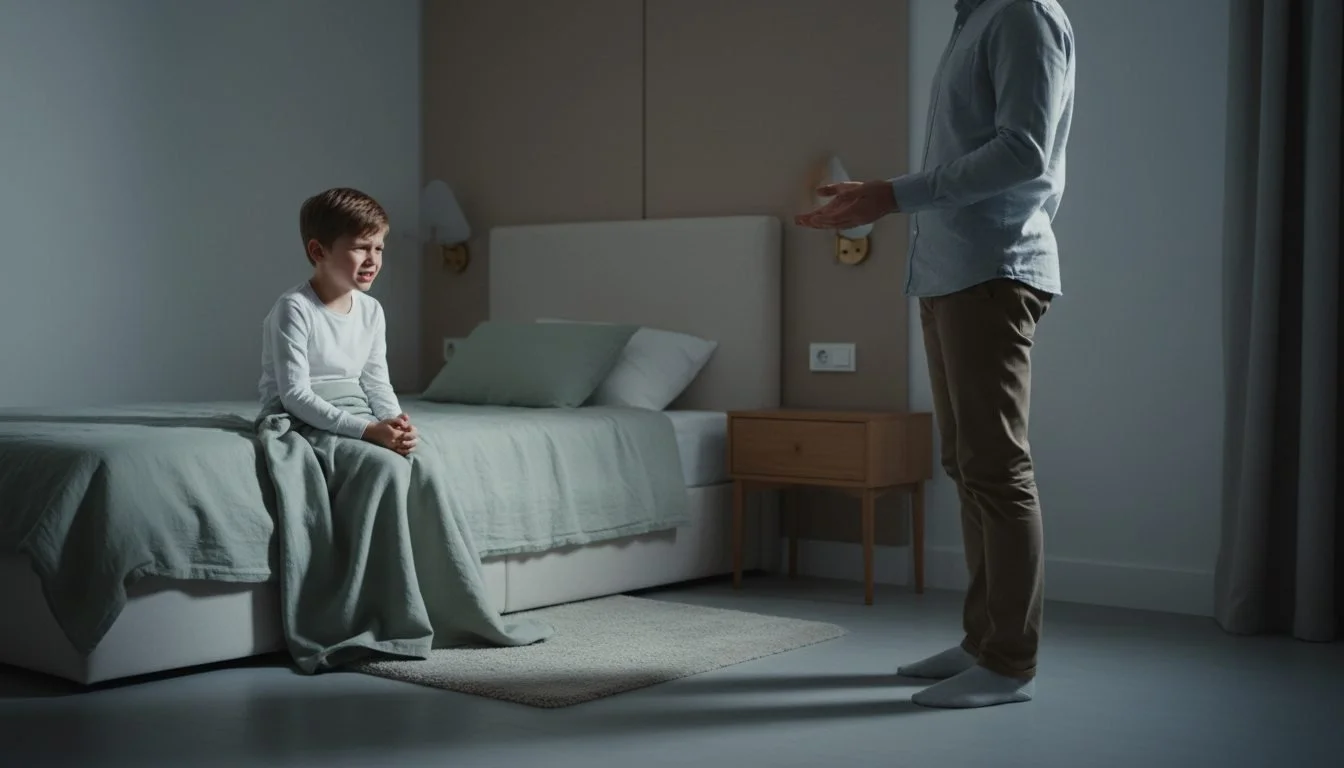
If you're the parent of a child with autism and you're reading this at some ungodly hour of the night, first—you are not alone. Sleep problems are one of the most common and most exhausting challenges families face when raising a child on the autism spectrum. Research consistently shows that up to 80% of children with autism experience significant sleep difficulties, compared to around 25–40% of neurotypical children.
That gap matters. It means the sleep advice designed for typical children—the stuff you find in mainstream parenting books and general sleep blogs—often doesn't work for your child. And that's not a failure on your part. It means your child needs a different approach.
In this post, I want to explain why autism affects sleep the way it does, what makes these challenges so unique, and, most importantly, what evidence-based strategies can actually help.
Why Do Children with Autism Struggle with Sleep?
Autism doesn't cause sleep problems in a simple, direct way. What it does is create a constellation of neurological, sensory, and behavioral differences that each (separately and together) make sleep harder. Understanding the 'why' is the first step to finding solutions that actually stick.
1. Sensory Sensitivities
Many children with autism experience the world more intensely than neurotypical children. What feels like a barely-noticeable texture, sound, or light to you might feel genuinely overwhelming to your child. At bedtime, this can mean:
• The tag in pajamas feels unbearable
• The hum of the refrigerator two rooms away is too loud to ignore
• The weight of a blanket feels wrong
• A hallway light visible under the door is too stimulating
These aren't complaints designed to avoid sleep. They're real sensory experiences that interfere with the physical relaxation needed to fall asleep.
2. Melatonin Differences
There's growing evidence that children with autism may produce melatonin differently than neurotypical children, either producing less of it, producing it at the wrong time of day, or having a disrupted melatonin rhythm altogether. Melatonin is the hormone that signals to your body that it's time to wind down and sleep, so when this system is off, falling asleep at an appropriate time becomes genuinely difficult—not a choice, not defiance.
3. Difficulty with Transitions and Routine Changes
Transitions are hard for many children with autism. The shift from 'awake time' to 'sleep time' is an abstract, invisible transition—there's no concrete endpoint your child can see or touch. Combined with the rigidity and preference for sameness that many autistic children experience, bedtime can feel threatening rather than comforting, especially if it involves any variation from what they expect.
4. Anxiety
Anxiety is extremely common in autism, and often under-recognized. At bedtime, when the stimulation of the day falls away and everything gets quiet, anxious thoughts tend to surface. Separation anxiety, fears about the dark, worries about tomorrow, replaying social interactions from the day—these can make the quiet of bedtime feel anything but peaceful.
5. Communication Challenges
A child who has difficulty communicating verbally may not be able to tell you that something is hurting, that they're scared, or that something in the room doesn't feel right. What looks like resistance or a tantrum at bedtime may actually be your child trying to communicate genuine discomfort with the tools they have available.
6. Medical Factors
Children with autism have higher rates of certain medical conditions that disrupt sleep—including gastrointestinal issues, reflux, and epilepsy. These conditions often worsen at night and can cause significant sleep disruption that looks behavioral on the surface. If your child's sleep challenges are severe and haven't responded to behavioral strategies, it's always worth ruling out medical factors with your child's physician.
What Doesn’t Work (And Why)
Before we get to what helps, it's worth understanding what typically doesn't work—because many families have already tried these approaches and been left feeling like failures when they didn't work.
Generic 'cry it out' methods: For children with autism, extinction-based methods implemented without proper foundations or professional guidance can increase distress and actually strengthen challenging behaviors rather than reduce them.
One-size-fits-all sleep training plans: Most mainstream sleep training approaches weren't designed with sensory sensitivities, communication differences, or anxiety in mind.
Simply 'being firmer': Autism-related sleep challenges have neurobiological roots. Willpower and firmness don't change neurology.
If these approaches haven't worked for your family, it’s likely because your child needed something tailored.
Evidence-Based Strategies That Actually Help
The good news: there's a strong and growing body of research on effective sleep interventions for children with autism. The following strategies are grounded in Applied Behavior Analysis (ABA), sleep science, and my own clinical experience working with hundreds of families over the past 14 years.
Start with the Sleep Environment
Before addressing any behaviors, we need to optimize the sleep space itself. For children with sensory sensitivities, the environment can be the biggest barrier to sleep—and fixing it is often the quickest win.
Temperature: Slightly cool (65–70°F / 18–21°C) supports the body's natural sleep-onset process.
Darkness: Use blackout curtains and ensure lighting stays consistent from the moment your child falls asleep until morning. Even small changes in light during the night can trigger full awakening.
Sound: A white noise machine running all night masks disruptive sounds and creates consistency. This is especially important if your child is a light sleeper or easily startled.
Sensory comfort: Choose tagless pajamas with fabrics your child finds comfortable. Consider whether a weighted blanket helps or hinders—this varies significantly between children.
Visual calm: Reduce visual clutter and stimulation in the bedroom. A calmer visual environment supports calmer nervous system activation.
Build a Predictable, Visual Bedtime Routine
Predictability is deeply comforting for children with autism. A consistent bedtime routine—the same steps, in the same order, every night—tells your child's brain and body that sleep is coming. Over time, the routine itself becomes a powerful biological cue for sleep.
I cover this in detail in my article on Calming Bedtime Routines for Children with Autism.
For children with autism, visual supports make this even more effective. A simple picture schedule showing each bedtime step (bath, pajamas, teeth, story, lights out) makes the abstract routine concrete and understandable. It reduces arguments because 'the schedule says so'—not Mom or Dad—and it helps children who struggle with verbal processing follow multi-step sequences independently.
You can find free downloadable visual schedules and other printable sleep tools in the resources section of my website.
A few important design principles for autism-friendly routines:
Sequence from preferred to less preferred: Start with activities your child enjoys (bath, a favorite story) to build cooperation momentum before transitioning to less preferred steps.
Use 'first-then' boards: For children who resist longer sequences, a simple 'First bath, then story' visual can be a starting point.
Transition warnings: Give advance notice before transitions. '5 more minutes, then bath time' reduces the shock of sudden endings.
Consistent start cue: Use a consistent phrase or signal that bedtime routine is beginning. Avoid making this cue the same as ending a favorite activity—this creates immediate resistance.
Get the Timing Right
Timing is everything in sleep—and this is especially true for children with autism, whose melatonin rhythms may already be shifted. Two common timing mistakes:
Bedtime too early: Your child isn't biologically ready for sleep yet. They'll lie in bed awake, get frustrated, and resist.
Bedtime too late: Your child becomes overtired. In children, overtiredness doesn't look like sleepiness—it looks like hyperactivity, meltdowns, and a 'second wind' that makes sleep even harder.
Observe when your child naturally becomes tired when screens, high-energy activities, and other sleep disruptors are removed. That's your window. From there, work backward to find a consistent wake time that anchors the whole schedule. Wake time is actually more powerful than bedtime for regulating the internal clock—keep it consistent even on weekends. For more information on timing, download my free Sleep Needs and Wake Windows by Age chart.
Address Sleep Dependencies Thoughtfully
One of the most common autism sleep patterns I see is a child who falls asleep easily with a parent present but wakes multiple times through the night needing that parent back. This is called a 'sleep dependency'—your child has learned to fall asleep with a specific condition present (you), and when they naturally awaken during light sleep cycles and that condition is gone, they wake fully.
The solution isn't to abruptly remove yourself at bedtime. That typically causes significant distress and makes things worse. Instead, effective approaches like Quality Fading and Camping Out gradually reduce your presence over time, in small enough steps that your child adjusts without significant anxiety.
For children with autism, these gradual approaches are particularly important. Rushing the process tends to backfire. Slow, consistent, predictable changes work better than abrupt ones.
Use Positive Reinforcement Strategically
Children learn through the outcomes of their behavior. When cooperation with bedtime routines leads to positive outcomes—enthusiastic praise, a sticker on a chart, a special privilege in the morning—that cooperation becomes more likely over time. This isn't bribery; it's how all human learning works.
The key is that reinforcement needs to be immediate, specific, and genuinely motivating to your individual child. What excites one child doesn't necessarily excite another. Spend some time identifying what your child finds most motivating and use that strategically during the sleep training process.
Address Anxiety Directly
If anxiety is a significant factor in your child's sleep challenges, it deserves to be addressed explicitly—not just managed around. Strategies that help include:
Designated 'worry time' earlier in the evening, before bedtime begins, so anxious thoughts have an outlet that isn't at lights out.
Simple breathing exercises built into the bedtime routine—made playful with bubbles or pinwheels for younger children.
Gradual exposure to being alone at bedtime, using methods like the 'Pretend Sleep' approach for children who find the idea of sleeping independently extremely anxiety-provoking.
Comfort objects that stay with your child all night—a beloved stuffed animal or special blanket they can reach independently.
What to Expect: A Realistic Timeline
Sleep improvement for children with autism rarely happens overnight—but it does happen. Most families begin to see meaningful progress within 2–4 weeks of consistently implementing the right strategies. Some children respond faster; others, particularly those with more complex needs or longer-standing sleep challenges, may take 4–6 weeks.
Here's what 'progress' actually looks like in practice: some nights better, some nights harder. A general upward trend with natural variability along the way. Setbacks during illness, travel, or routine disruptions are normal and don't mean you've lost everything. They mean your child is human.
Consistency is the single most important variable in sleep training success. Not perfection—consistency. Getting back on track after a rough night is more important than never having rough nights.
When to Seek Professional Support
Some sleep challenges respond well to independent implementation of the strategies above. Others are complex enough—or have been going on long enough, or have enough behavioral intensity—that professional support makes a significant difference.
Consider reaching out to a qualified professional if:
You've been working on sleep consistently for 4+ weeks without meaningful improvement.
Your child's sleep challenges involve severe challenging behaviors at bedtime or during night awakenings.
You're unsure which strategies are appropriate for your child's specific profile.
Multiple sleep issues are overlapping and it's hard to know where to start.
You're exhausted and need someone in your corner guiding implementation in real time.
If you do seek professional support, look for someone with specific expertise in BOTH pediatric sleep AND neurodivergent children—ideally someone with ABA training, as the behavioral principles underlying effective sleep interventions are the same principles that make ABA effective for autism more broadly.
Certified Behavioral Sleep Specialists have specific training and expertise for treating sleep problems in children with autism and other developmental delays. Many Board Certified Behavior Analysts (BCBA’s) have also received specialized trained in pediatric sleep issues.
If you’re feeling overwhelmed and would like to discuss your child’s unique sleep needs, I invite you to schedule a free initial consultation. We can talk through your challenges and see if my personalized sleep support is the right fit for your family.
The Bottom Line
Sleep problems in children with autism are real, they're common, and they have identifiable causes. They're also treatable—with the right approach, applied consistently, and tailored to your child's specific needs.
Your child isn't broken. You're not failing. And peaceful nights are not out of reach.
The path there looks different for every family. But it starts with understanding why sleep is hard for your child specifically, optimizing the conditions that support sleep, and applying strategies that work with your child's neurology rather than against it.
You've already taken a significant step by seeking out the right information. Keep going.
Sweet Dreams!

ABOUT THE AUTHOR
Elisha Iggulden is a Board Certified Behavior Analyst (BCBA) and Certified Behavioral Sleep Specialist (CBSS) with over 14 years of experience supporting children and families. She is the founder of Gentle Sleepers and specializes in sleep support for toddlers and children (ages 1-10), with specialized expertise for neurodivergent children, including those with autism, ADHD, and anxiety. Elisha offers virtual sleep consultations to families worldwide.
