

How Sensory Processing Affects Your Child’s Sleep (and What to Do About It)
Written by Elisha Iggulden, M.Ed., BCBA, CBSS
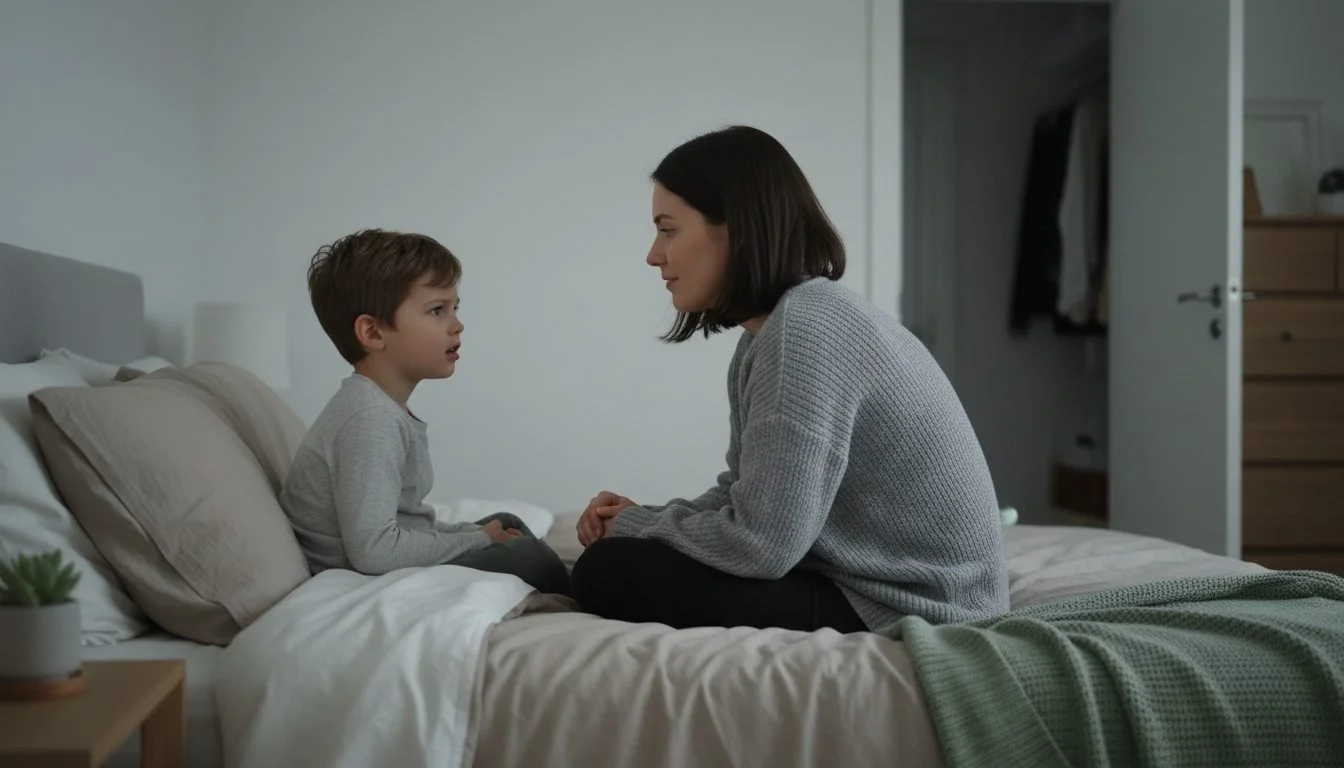
It's 9 PM. You've done everything right — bath, stories, lights low, white noise humming. And yet your child is still wide awake, complaining that their pajamas feel scratchy, that the blanket is wrong, that there's a sound you can't even hear. Sound familiar?
If you're raising a child with sensory sensitivities — especially one with autism, ADHD, or anxiety — bedtime can feel like navigating a minefield. And the truth is, it's not stubbornness or manipulation. It's their nervous system doing exactly what it's designed to do: respond powerfully to sensory input.
Understanding how sensory processing affects sleep is one of the most important — and most overlooked — pieces of the sleep puzzle. Once you understand it, you can stop fighting against your child's sensory system and start working with it.
What Is Sensory Processing, and Why Does It Matter at Bedtime?
Sensory processing refers to how the nervous system receives, interprets, and responds to information from the environment. For most children, the brain filters out irrelevant sensory details — the hum of a fan, the feel of sheets, the glow of a nightlight — without much effort.
But for children with sensory processing differences, that filtering system doesn't work as efficiently. Their brains may treat neutral sensory input as meaningful, overwhelming, or even threatening. This means that what seems like a minor detail to you — a seam in a sock, the temperature of the room, the sound of your neighbour's TV — can register as intensely uncomfortable for your child.
At bedtime, this becomes especially significant. The transition to sleep requires the nervous system to downregulate — to shift from an alert, active state to a calm, restful one. For children whose sensory systems are already working overtime, this downregulation is genuinely harder to achieve.
Two Ends of the Spectrum: Over-Sensitivity and Under-Sensitivity
Sensory differences don't look the same in every child. Some children are over-responsive (hypersensitive) — they're bothered by input that others barely notice. Others are under-responsive (hyposensitive) — they seek out intense sensory experiences because their nervous system needs more input to feel regulated.
Both can significantly disrupt sleep, just in different ways.
The Over-Sensitive Child at Bedtime
For hypersensitive children, the sleep environment itself can be the enemy. Common complaints include:
Pajamas or sheets that feel too scratchy, tight, or rough
Room temperature that feels too hot or too cold (even when it seems comfortable to everyone else)
Sounds that are too loud, too unpredictable, or too quiet — sometimes even silence is distressing
Light that is too bright, too dim, or that changes (like shadows from passing cars)
The physical sensation of lying still, which can feel intensely uncomfortable for some children
These children often struggle to fall asleep not because they don't want to, but because their environment feels genuinely overwhelming. Bedtime becomes associated with discomfort, which creates resistance — and a cycle that's hard to break.
The Under-Sensitive Child at Bedtime
Sensory-seeking children present differently. They may:
Need to move, rock, bounce, or fidget in order to feel calm
Seek deep pressure input (wanting to be squeezed, buried under heavy blankets, or held tightly)
Have difficulty transitioning from high-stimulation activities to the quiet required for sleep
Seem "wired" at bedtime even when they're genuinely tired
These children often look like they have boundless energy at bedtime — but what's really happening is that their nervous system is still seeking the input it needs to feel regulated enough for sleep.
Important note: Many children with autism, ADHD, and anxiety experience a mix of both over- and under-sensitivity across different sensory systems. A child might be over-sensitive to sound but under-sensitive to touch — which is why a one-size-fits-all approach rarely works.
The Six Sensory Systems That Affect Sleep
When we think about sensory processing, most of us think of the "five senses." But there are actually two additional sensory systems that play a particularly important role in sleep:
Proprioception(body awareness): Input from muscles and joints that tells the brain where the body is in space. Deep pressure and heavy work activities provide proprioceptive input, which is naturally calming for many children.
Vestibular(movement and balance): Input related to movement, gravity, and balance. Some children need gentle rocking or swaying to feel regulated; others are easily dysregulated by movement.
Understanding which sensory systems affect your child most at bedtime is the key to building a sleep environment and routine that actually works for them.
Practical Strategies: Building a Sensory-Friendly Sleep Environment
The good news is that once you understand your child's sensory profile, you can make targeted adjustments that make a significant difference. Here's where to start.
Tackle Tactile Sensitivity First
Tactile (touch) sensitivity is one of the most common sleep disruptors for sensory-sensitive children. Small changes here can have a big impact:
Let your child choose their own pajamas based on feel, not appearance. Seamless options, tagless designs, and soft natural fibres (like cotton or bamboo) are often better tolerated.
Wash new bedding and clothing multiple times before use to soften fibres.
Consider the weight and texture of blankets. Some children sleep better under heavier blankets (which provide proprioceptive input); others prefer lightweight options.
Allow your child to sleep in whatever position and with whatever arrangement of pillows and blankets feels comfortable — as long as it's safe.
Optimize the Auditory Environment
Sound sensitivity is extremely common, particularly in children with autism and ADHD. Strategies include:
Use a white noise machine to mask unpredictable environmental sounds. The key is keeping it running all night — turning it off once your child is asleep can trigger awakening during lighter sleep cycles.
If your child is sensitive to the white noise itself, experiment with different sounds: pink noise, brown noise, nature sounds, or soft music may be better tolerated.
For children who are distressed by silence (yes, this happens!), consistent background sound provides predictability.
Address room-sharing issues that create sound disruptions — even sounds that seem minor to you may significantly disturb a sensory-sensitive child.
Get the Visual Environment Right
Light is a powerful sleep disruptor, but sensory-sensitive children may also be affected by visual stimulation in the room itself:
Use blackout curtains to block external light, especially early morning sun or streetlights.
If your child needs light, choose a small, steady nightlight rather than one that changes colour or brightness. Consistent light is less disruptive than changing light. Place the light out of your child’s direct line of sight (at the foot of the bed, behind furniture, etc.).
Reduce visual clutter and stimulating elements in the bedroom. A room full of bright toys and posters can keep a sensory-seeking child's brain engaged when it should be winding down.
Use Proprioceptive Input Strategically
Deep pressure and heavy work are among the most powerful tools for calming a dysregulated nervous system. Build these into your bedtime routine:
"Bear hugs" or firm, sustained pressure (not light tickling, which can be alerting)
Weighted blankets — many children with sensory differences find these deeply calming. Be sure to consult with your child’s paediatrician to ensure age- and weight-appropriate options, and monitor for comfort.
"Pillow squishes" — gentle compression between pillows
Stretching or gentle yoga poses, which provide proprioceptive feedback and promote relaxation
A brief, firm massage before bed (if your child tolerates and enjoys touch)
For sensory-seeking children, providing adequate proprioceptive input during the hour before bed can help meet their nervous system's needs so they're not still seeking it at lights out.
Incorporate Calming Vestibular Input
Some children need gentle movement to regulate before sleep:
Slow rocking in a chair together during the bedtime routine
Swaying side to side while listening to soft music
Slow, rhythmic swinging earlier in the evening (avoid vigorous swinging close to bedtime, which can be alerting)
Once you've identified that your child benefits from vestibular input, you can build this into the bedtime routine deliberately rather than struggling with a child who is still moving and bouncing when they should be settling.
The Step-Down Approach: A Sensory-Friendly Bedtime Routine
For sensory-sensitive children, the transition from daytime activity to sleep is rarely instant — and trying to make it so is one of the most common mistakes parents make.
Instead, think of the bedtime routine as a gradual step-down from high sensory input to low. Rather than abruptly ending your child's favourite activity and announcing, "time for bed," build a transition that gradually reduces stimulation:
Step 1: End screen time and shift to lower-stimulation play (puzzles, building toys, drawing)
Step 2: Move to calming sensory activities (deep pressure input, gentle stretching)
Step 3: Bath or shower (warm water is regulating for many children)
Step 4: Pajamas and comfortable sleep setup
Step 5: Quiet connection time (reading, soft music, gentle conversation)
Step 6: Lights out
Each step should be slightly calmer than the one before. This gradual transition respects your child's sensory system instead of demanding it make a sudden shift it may not be capable of making.
For more information on building a sensory friendly bedtime routine, check out my blog article, Calming Bedtime Routines for Children with Sleep Challenges (Especially Autism).
When Sensory Needs Are Intense: Additional Considerations
For some children, sensory processing differences are significant enough that standard environmental adjustments alone aren't sufficient. If your child:
Is extremely distressed at bedtime despite consistent routines and environmental optimization
Has medical concerns (GI issues, pain, or discomfort that worsen at night)
Shows signs of anxiety that go beyond typical sensory sensitivity
Has not responded to several weeks of consistent environmental and routine changes
...it may be worth consulting with an Occupational Therapist (OT) who specialises in sensory processing, as well as your child's paediatrician to rule out any medical contributors to the sleep disruption.
A comprehensive sleep assessment that addresses sensory, behavioural, and medical factors together is often the most effective approach for children with complex needs.
A note on melatonin: Many parents of sensory-sensitive children turn to melatonin supplements when sleep is difficult. While melatonin can be helpful in some situations, it's worth addressing sensory and environmental factors first — they're often the primary driver of sleep difficulties, and improving them tends to produce more lasting results than supplements alone.
The Bottom Line
Sensory processing differences are real, they're neurological, and they're not something your child can simply "push through" at bedtime. When you understand how your child's sensory system works, you can stop interpreting bedtime resistance as defiance and start addressing what's actually making sleep difficult.
The adjustments don't need to be dramatic. Often, it's the accumulation of small changes — softer pajamas, consistent white noise, a gradual step-down routine, some proprioceptive input before bed — that transforms bedtime from a battle into something approaching peaceful.
You know your child better than anyone. Trust that knowledge, and use it to build a sleep environment and routine that works for their unique nervous system — not the one that works for the "average" child.
For more tools and strategies to support your neurodivergent child's sleep, including gentle and sensory-friendly approaches, download my free, comprehensive ebook, The Neurodivergent Sleep Solution.
If you'd like personalized support developing a sensory-informed sleep plan for your child, I'd love to help. Visit my Neurodivergent Sleep Support services page to learn more about working together, or schedule your free initial consultation.

MEET THE AUTHOR
Elisha Iggulden is a Board Certified Behavior Analyst (BCBA) and Certified Behavioral Sleep Specialist (CBSS) with over 14 years of experience supporting children and families. She is the founder of Gentle Sleepers and specializes in sleep support for toddlers and children (ages 1-10), with specialized expertise for neurodivergent children, including those with autism, ADHD, and anxiety. Elisha offers virtual sleep consultations and support to families worldwide.
